
Why Walk at Home?
A home walking routine is a simple way to add more movement to your day without depending on a gym, a particular location, or good weather. You can walk through your home, use a hallway, follow a marked path, or walk on a treadmill if you have one.
The key is to create a routine that feels safe, comfortable, and easy to repeat. A well-planned setup can reduce distractions, make your walking path easier to use, and help you stay consistent.
You do not need a large home or special equipment. A clear route, supportive footwear, and a realistic schedule are often enough to get started.
Choose the Best Walking Space
Begin by looking around your home for the safest and most practical walking path. A hallway, open living area, or connected series of rooms may work well.
Consider these points:
– Choose a path with enough room to turn comfortably.
– Keep the route away from loose rugs, cords, clutter, and sharp furniture corners.
– Use a well-lit area, especially if you walk early in the morning or later in the evening.
– Avoid areas where people regularly carry hot drinks, tools, or other objects.
– Keep doors, drawers, and cabinets fully closed along the route.
– Make sure floor surfaces are dry and in good condition.
If your space is small, try walking back and forth along a hallway or around a clear area. You can also add gentle marching in place when you reach the end of the route.
Make the Path Easy to Maintain
A safe path is more useful when it stays ready for walking. Before each session, take a quick look around and remove anything that could cause a trip.
You may want to create a small “walking zone” where commonly used items are stored elsewhere. For example, keep shoes, bags, toys, and exercise accessories off the floor. If other people share the home, explain that the area needs to remain clear during your walking time.
A short pre-walk check can become part of your routine:
- Look for clutter or spills.
- Check that lights are on and working.
- Move pets and pet toys away from the route.
- Secure loose mats or remove them.
- Keep a phone or timer nearby if you use one.
Wear Comfortable Clothing and Footwear
Choose clothing that allows you to move freely and does not drag on the floor. Layers can be helpful if your home temperature changes throughout the day.
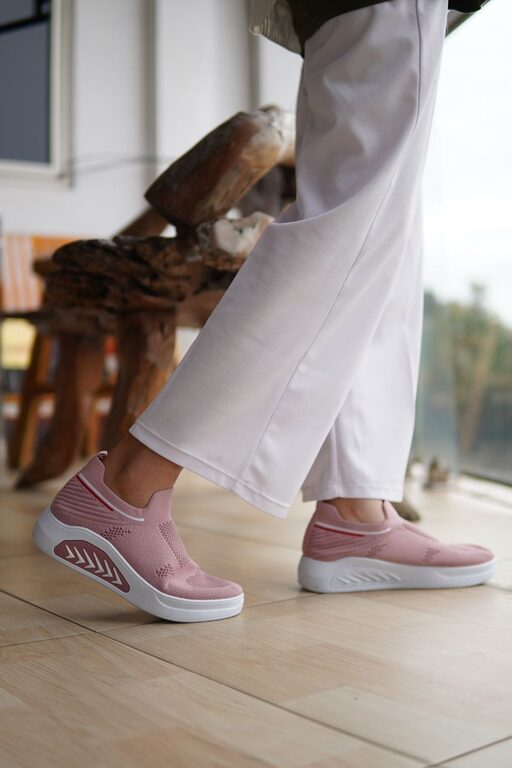
Footwear should feel secure and comfortable. Shoes with a stable fit and clean, suitable soles may make indoor walking feel more controlled. Avoid walking in loose slippers, socks on slippery floors, or shoes with worn-out soles.
If you prefer to walk barefoot, first make sure the floor is clean, dry, and free of objects. However, the best option depends on your home surfaces and personal comfort. The important goal is to avoid slipping and maintain steady movement.
Start With a Manageable Schedule
A routine is easier to maintain when it fits naturally into your day. Choose a time when you are least likely to be interrupted. Some people prefer walking after breakfast, during a midday break, or while listening to a favorite podcast.
Start with a short session that feels realistic. For example, you might walk for five to ten minutes and gradually add time as the routine becomes familiar. You can also divide movement into several short sessions throughout the day.
Try one of these simple approaches:
– Walk for a few minutes after each main meal.
– Set aside one regular time for an indoor walk.
– Walk during television commercial breaks.
– Take short walking breaks between household tasks.
– Use a timer to remind you to stand and move.
Consistency matters more than creating a demanding plan. A routine that you can repeat comfortably is more useful than one that quickly becomes difficult to maintain.
Use a Gentle Warm-Up and Cool-Down
Before walking, spend a few moments preparing your space and your body for movement. Begin slowly with easy steps, relaxed arm movements, or gentle marching in place.
At the end of your session, reduce your pace for the final few minutes. This gives you time to settle into a comfortable stopping point instead of ending suddenly.
Keep both sections simple. The purpose is to transition gradually into and out of your walk, not to turn the routine into a complicated workout.
Pay Attention to Comfort
While walking, use a pace that allows you to feel steady and relaxed. Keep your steps controlled, especially when turning around furniture or moving between different floor surfaces.
Check your posture from time to time:
– Keep your head facing forward.
– Let your shoulders stay relaxed.
– Take natural steps rather than rushing.
– Keep your arms comfortable at your sides or moving gently.
– Turn carefully instead of making sudden changes in direction.
If something feels uncomfortable, slow down or stop and review the setup. The path may be too crowded, the room may be too warm, or your footwear may not feel secure. Adjusting the environment can make the next session easier.
Reduce Distractions
Music, podcasts, or television can make indoor walking more enjoyable, but distractions should not prevent you from noticing your surroundings. Keep the volume low enough to hear household sounds and remain aware of the floor beneath you.
If you use a phone, place it somewhere secure rather than holding it in a way that affects your balance or arm movement. Avoid reading messages while walking. You can check your device before or after the session.
If children or pets are nearby, make sure they cannot unexpectedly cross your path. A separate room, a closed gate, or a planned walking time may help.
Add Variety Without Making It Complicated
Walking the same route every day can become repetitive. Small changes can keep the routine interesting while preserving its simplicity.
You might:
– Change the direction of your route.
– Use different rooms when they are clear and safe.
– Walk to different playlists or podcasts.
– Add a few minutes to one session each week.
– Include gentle marching in place.
– Walk while listening to an audiobook.
– Set a simple step or time goal.
Avoid making too many changes at once. Build the routine first, then add variety as needed.
Track Progress in a Simple Way
Tracking can help you notice patterns and stay motivated. You do not need a detailed system. Record the date, the length of your walk, and a brief note about how the session felt.
A calendar, notebook, or phone note can work well. You may also track:
– Number of walking sessions per week
– Total minutes walked
– Preferred walking times
– Routes that feel most comfortable
– Household changes needed for safety
Use your notes to improve the routine rather than judge yourself. If a certain time or route works well, make it a regular part of your schedule.
Keep the Routine Sustainable
A successful home walking routine should fit your life. Prepare your walking area in advance, choose a regular time, and keep your equipment simple. If you miss a session, return to the routine at the next convenient opportunity.
Review your setup every few weeks. Check for new clutter, changes in lighting, worn footwear, or furniture that has shifted into the path. Small adjustments can help keep your walking space comfortable and ready to use.
With a clear route, a steady pace, and a schedule you can maintain, walking at home can become a practical part of your everyday routine.