
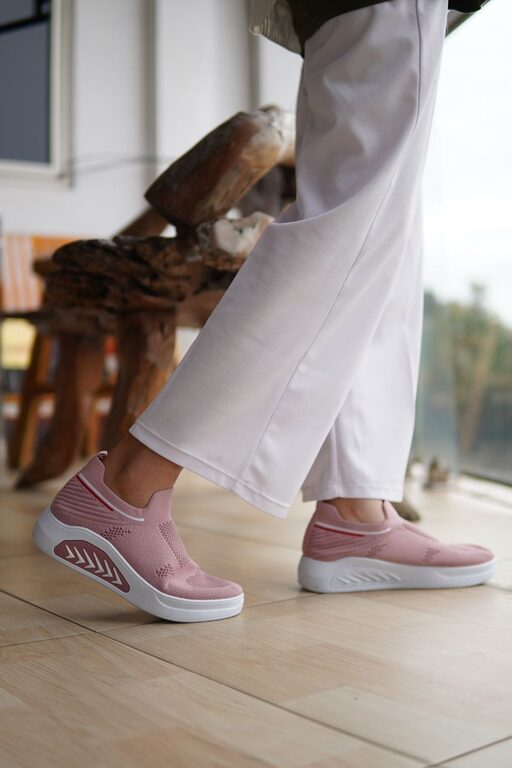
Walking shoes are an important part of everyday comfort. Whether you walk to work, run errands, travel, or spend long hours standing, the right pair can help your feet feel supported throughout the day. However, comfort is personal, and a shoe that works well for one person may not suit another.
Choosing comfortable shoes does not have to be complicated. By focusing on fit, shape, flexibility, materials, and intended use, you can make a more confident choice.
Start With the Right Fit
A good fit is the foundation of a comfortable shoe. Shoes should feel secure without squeezing, rubbing, or leaving too much room for your feet to move around.
When trying on shoes, check the following:
– Your toes should have enough room to move freely.
– The widest part of your foot should fit comfortably across the shoe.
– Your heel should stay in place without slipping excessively.
– The shoe should not press against your toes, arches, or ankles.
– Both feet should feel comfortable, since feet can differ slightly in size.
It is best to try on shoes later in the day. Feet may expand after hours of activity, so a pair that feels comfortable in the afternoon may be more practical than one tested first thing in the morning. Wear the type of socks you expect to use with the shoes.
Walk around the store or your home for several minutes. Pay attention to pressure points, rubbing, and any feeling that your foot is being pushed into an unnatural position. Shoes should feel comfortable immediately rather than requiring a long break-in period.
Measure Your Feet Regularly
Foot size and shape can change over time. Measurements may also vary between brands and shoe styles. Instead of relying only on a familiar size, check the fit each time you buy a new pair.
Measure both feet while standing, and use the larger foot as your guide. A salesperson may be able to measure your feet, or you can trace them on paper at home and compare the outline with the shoe’s shape.
Keep in mind that numbers on a size label are not identical across all brands. The length, width, toe shape, and materials can all affect how a shoe feels. Use the label as a starting point, not a guarantee.
Look for Appropriate Toe Room
A comfortable walking shoe should allow your toes to spread naturally. If the front of the shoe is too narrow, your toes may feel crowded during longer walks. If the shoe is too short, your toes may touch the front when your foot moves forward.
Leave a small amount of space between your longest toe and the end of the shoe. The exact amount depends on your foot shape, but the key is to avoid contact between your toes and the front of the shoe.
The toe box should also match your foot. Some people prefer a rounded or wider toe box, while others find a narrower shape more comfortable. Avoid choosing a style based only on its appearance if the toe area feels tight.
Choose Support and Cushioning Carefully
Walking shoes often include cushioning in the heel and sole to create a softer feel. Cushioning can be pleasant on hard surfaces, but more cushioning is not always better. A very soft shoe may feel unstable, while a firmer sole may feel more secure.
Look for a shoe that provides a balanced combination of:
– Comfortable cushioning
– A stable base
– A sole that bends near the front of the foot
– Support around the heel
– A shape that follows your natural foot position
Your daily activities should guide your choice. For short errands, a lightweight casual shoe may be enough. For long walks, travel days, or extended periods on your feet, you may prefer additional cushioning and a more structured design.
Check Flexibility and Weight
A good walking shoe should bend in the right place. It should flex near the front of the foot rather than folding in the middle. Try gently bending the shoe with your hands, then walk in it to see whether the movement feels natural.
Weight also matters. Heavy shoes can feel tiring during long periods of walking, while extremely lightweight shoes may not provide the stability you prefer. Aim for a pair that feels easy to lift but still has a sturdy sole and secure upper.
A flexible, lightweight shoe can be useful for everyday activities, but it should not feel flimsy. The shoe should hold its shape and keep your foot comfortably in place.
Consider Materials and Breathability
Materials affect comfort, durability, and how easy the shoes are to maintain. Mesh and other breathable fabrics can help air circulate, making them useful for warm weather or active days. Leather and synthetic materials may offer more structure and can be easier to clean, depending on the design.
When comparing materials, consider:
– How much air can pass through the upper
– Whether the material feels soft against your skin
– How easy it is to clean
– Whether it stretches or keeps its shape
– How well it suits the weather and setting
Look inside the shoe for smooth seams and a comfortable lining. Rough edges, bulky stitching, or stiff areas can cause irritation during extended wear.
Match the Sole to Your Routine
The outsole should suit the surfaces where you normally walk. For sidewalks, shopping centers, and indoor floors, a moderate tread may provide enough grip. If you regularly walk on uneven paths, choose a shoe with a more durable sole and a pattern that offers dependable traction.
Also consider the weather. Water-resistant materials can be useful in wet conditions, while highly breathable shoes may be more comfortable in dry, warm weather. No single shoe is ideal for every situation, so some people find it helpful to keep separate pairs for different activities.
Think About Your Everyday Wardrobe
Comfortable shoes should be practical enough to wear with the clothes you use most often. Neutral colors and simple designs can work for many casual outfits, while a more polished style may suit work or social activities.
Consider whether the shoes are easy to put on and remove. Laces allow for an adjustable fit, while slip-on designs may be convenient for quick errands. Adjustable straps or elastic panels can also help create a secure fit without too much effort.
Test Shoes Before Making a Decision
If possible, spend time walking in both shoes before buying them. Walk on different surfaces and try stairs or turns. Notice whether your heel stays secure and whether your toes remain comfortable.
If you shop online, review the sizing information and return policy before ordering. Read customer comments for details about width, cushioning, durability, and whether the shoes run large or small. Remember that reviews are helpful guides, but your own fit and comfort should remain the final priorities.
Replace Shoes When They No Longer Feel Supportive
Even high-quality shoes wear down with regular use. Check the soles for uneven wear, thinning tread, or areas that have become smooth. Look for stretched fabric, flattened cushioning, or a heel that no longer feels stable.
A shoe may need replacing even if the upper still looks attractive. Comfort can change gradually, so pay attention to how your feet feel during and after daily activities.
Final Tips for a Comfortable Choice
Before purchasing walking shoes, use this quick checklist:
– Try them on with your usual socks.
– Shop when your feet are at their largest during the day.
– Compare both feet for length and width.
– Make sure your toes have room to move.
– Walk around rather than standing still.
– Check the heel, sole, lining, and stitching.
– Match the shoes to your usual surfaces and activities.
– Choose comfort and fit over trends or labels.
The best everyday walking shoe is the one that feels secure, natural, and comfortable for your routine. Taking a few minutes to assess the fit and features can make daily walking more enjoyable and help you get better value from every pair.