
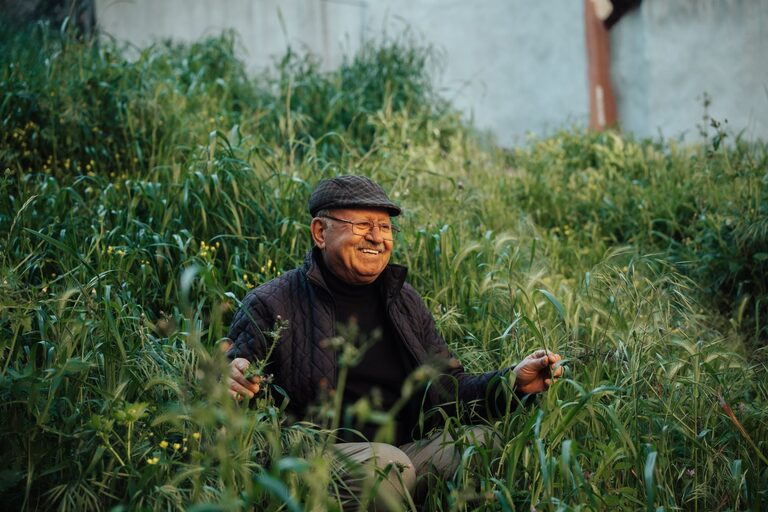
Reaching 50 and beyond can be a wonderful time to explore interests that may have been set aside during busier years. Hobbies offer more than a way to fill free time. They can add structure to your week, introduce you to new people, encourage movement, and give you opportunities to keep learning.
The best hobby is one you genuinely enjoy and can fit comfortably into your lifestyle. Whether you prefer quiet creative projects, outdoor adventures, or group activities, there are many ways to keep both your mind and body engaged.
Why Hobbies Matter After 50
A hobby gives you something enjoyable to look forward to. It can also create a healthy balance between daily responsibilities and personal time. Many hobbies combine several benefits, such as learning a skill while moving your body or meeting people while exploring a new interest.
Hobbies can help you:
– Add variety to your weekly routine
– Practice creativity and problem-solving
– Spend more time outdoors
– Connect with friends and neighbors
– Build confidence through steady progress
– Discover interests you may not have considered before
You do not need to become an expert. The goal is to enjoy the process and choose activities that match your interests, energy, and available time.
Gardening and Growing Plants
Gardening is a flexible hobby that can be adapted to nearly any space. You can grow flowers in containers, maintain a vegetable garden, or keep a few herbs on a sunny windowsill.
Planning a garden engages the mind, while planting, watering, and tending to plants add gentle movement to your day. Watching something grow can also be rewarding, especially when you harvest fresh herbs or vegetables for a meal.
If you are new to gardening, start small with:
– A container of herbs
– A few easy-care flowers
– A windowsill garden
– A small raised bed
– A collection of indoor plants
Gardening clubs and community gardens can make this hobby more social. They are also useful places to exchange tips, seeds, and ideas.
Walking and Nature Exploring
Walking is simple, inexpensive, and easy to adapt. You might stroll through a local park, explore a nature trail, or take a neighborhood walk with a friend.
To make walking feel more like a hobby, create small goals. Visit a different park each month, photograph interesting trees, or keep a list of birds and wildlife you spot. You can also join a walking group for companionship and encouragement.
Nature exploring does not have to involve long hikes. A short route with interesting scenery can be just as enjoyable. Choose comfortable clothing and footwear, and select paths that suit your experience and surroundings.
Add a Learning Element
Make outdoor time more engaging by learning about local plants, architecture, or history. A field guide, audio tour, or local walking map can turn a familiar route into a fresh experience.
Dancing and Music
Dancing combines movement, rhythm, and fun. You can take a ballroom class, try line dancing, learn basic salsa steps, or simply dance at home to favorite songs.
Group classes provide a chance to meet people and practice at your own pace. Online lessons can be useful if you prefer learning privately or want to explore different styles before joining a class.
Music-based hobbies offer other options as well. Consider learning an instrument, joining a community choir, or creating themed playlists. These activities encourage focus and provide a satisfying sense of progress.
Creative Arts and Crafts
Creative hobbies allow you to make something unique while experimenting with colors, materials, and ideas. You might try watercolor painting, drawing, pottery, knitting, woodworking, photography, or handmade cards.
Do not worry about producing perfect results. Creative work is often most enjoyable when you treat it as exploration rather than a test.
Try one of these beginner-friendly projects:
– Paint a simple landscape
– Create a photo album
– Make a knitted scarf
– Try a pottery workshop
– Build a small birdhouse
– Design a scrapbook
– Make seasonal decorations
Local art centers, libraries, and community colleges often offer classes for beginners. A class can provide helpful instruction and make it easier to stay motivated.
Cooking and Baking
Cooking is both practical and creative. Learning new recipes can introduce you to different cultures, ingredients, and techniques. You can also make the hobby more social by inviting a friend to cook with you or hosting a casual meal.
Choose a theme for each week, such as homemade pasta, regional dishes, bread baking, or seasonal produce. Keeping a recipe notebook can help you record what worked and what you would change next time.
For a group activity, consider a cooking class or recipe exchange. Sharing meals and ideas can turn an individual hobby into a regular social tradition.
Puzzles, Games, and Lifelong Learning
Mind-engaging hobbies do not need to be complicated. Crossword puzzles, jigsaw puzzles, chess, card games, and strategy board games can all provide enjoyable challenges.
If you prefer a structured learning experience, explore:
– A language course
– Local history talks
– Online classes
– Book clubs
– Writing workshops
– Museum lectures
– Genealogy projects
Genealogy is especially appealing to people who enjoy research and storytelling. You can organize old photographs, interview relatives, and create a family timeline. This project can become a meaningful record to share with future generations.
Cycling, Swimming, and Other Active Hobbies
Cycling, swimming, kayaking, and recreational sports offer ways to stay active while enjoying a clear goal or change of scenery. Choose activities that match your comfort level and local conditions.
Cycling might involve short neighborhood rides, a relaxed trail outing, or a cycling club. Swimming can be a refreshing solo activity or part of a group class. Recreational sports such as pickleball, golf, bowling, and doubles tennis add both movement and friendly competition.
Start gradually, especially when trying something unfamiliar. Learning the basics, using suitable equipment, and taking breaks can help make the experience more comfortable and enjoyable.
Volunteering and Community Projects
Volunteering is a hobby with a strong sense of purpose. You might help at a library, animal shelter, community garden, museum, food pantry, or local event.
Look for opportunities that connect with your interests and schedule. If you enjoy reading, consider helping with a literacy program. If you like animals, explore shelter support roles. If you enjoy working outdoors, a park cleanup may be a good fit.
Volunteering can also introduce you to people who share your values and interests, making it easier to build new friendships.
How to Choose the Right Hobby
When deciding what to try, ask yourself:
- What activities have I always wanted to explore?
- Do I want a social hobby or quiet personal time?
- Would I rather be indoors, outdoors, or both?
- How much time and space can I commit?
- Can I start with low-cost equipment?
- Is there a local class or group I could join?
Try a hobby for a few weeks before deciding whether it suits you. It is perfectly fine to sample several activities. One month might include a painting class, a walking group, and a beginner gardening project.
Make Enjoyment the Goal
Hobbies after 50 do not need to be competitive, expensive, or highly demanding. The most rewarding activities are often the ones that fit naturally into your life and leave you feeling curious, refreshed, or connected.
Start with one small step: borrow a book, sign up for a class, visit a local club, or invite someone to join you. With time, a new hobby can become a source of creativity, movement, friendship, and everyday enjoyment.