
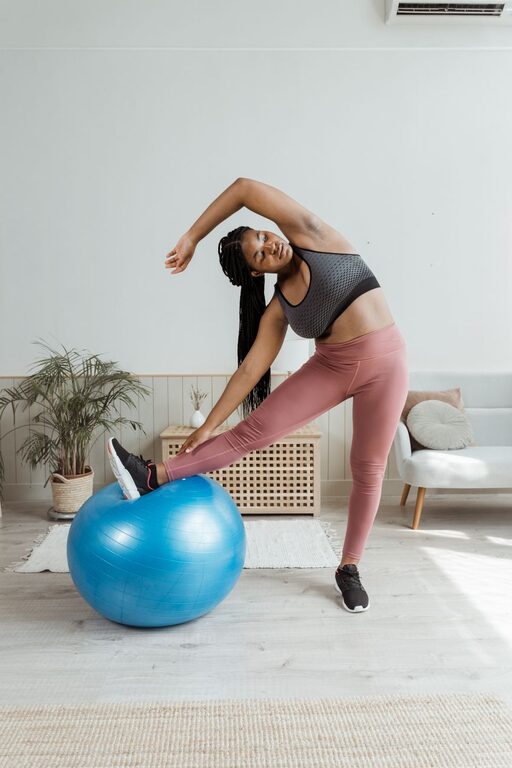
Improving balance and flexibility does not require expensive equipment or a gym membership. With a small amount of open space and a few minutes of practice, you can build a simple routine at home. These exercises can help you move more comfortably, improve body awareness, and make everyday activities feel easier.
The key is consistency. A short routine performed several times a week can be more useful than a long workout completed only once in a while. Move slowly, focus on good form, and choose exercises that match your current comfort level.
Set Up a Safe Exercise Space
Before you begin, prepare an area where you can move without obstacles. Clear away loose rugs, cords, toys, and furniture that may get in the way. Wear comfortable clothing and use a stable chair, countertop, or wall nearby for support during balance exercises.
Keep these simple guidelines in mind:
- Use a firm, level surface rather than a slippery floor.
- Keep enough space to extend your arms and legs safely.
- Move with control instead of rushing through each exercise.
- Keep a sturdy support within reach when practicing balance.
- Stop if you feel sharp pain, unusual discomfort, or unsteadiness.
Begin With a Gentle Warm-Up
A warm-up prepares your body for movement and helps you transition into stretching and balance work. Spend five to ten minutes warming up with easy movements. You can walk around your home, march in place, or gently move your arms from side to side.
Simple Warm-Up Ideas
- March in place while keeping your steps light.
- Roll your shoulders forward and backward.
- Circle your ankles one at a time.
- Gently turn your head from side to side.
- Perform slow heel raises while holding a countertop.
Keep the movements comfortable and relaxed. A warm-up should make you feel ready to exercise, not tired.
Easy Exercises for Better Balance
Balance exercises train you to control your body while standing or changing position. Start with both feet on the floor, then gradually make the movements more challenging as you become comfortable.
Single Leg Stand
Stand behind a sturdy chair and lightly rest one or both hands on it. Lift one foot a few inches from the floor and hold the position for 10 to 20 seconds. Place your foot down, then repeat on the other side.
Try to keep your upper body tall and your eyes focused on one steady point. Over time, you can reduce your grip on the chair, but keep it nearby for support.
Heel to Toe Walk
Stand near a wall or countertop. Walk slowly in a straight line by placing the heel of one foot directly in front of the toes of the other foot. Take five to ten steps, then turn carefully and repeat.
This exercise challenges your balance while you move. Take smaller steps if the position feels difficult, and use nearby support as needed.
Side Steps
Stand with your feet about hip-width apart. Step to the right, bring your other foot beside it, and continue for several steps. Then move back to the left.
Keep your knees slightly relaxed and your toes facing forward. This exercise helps you practice controlling side-to-side movement, which is useful for everyday activities around the home.
Chair Sit and Stand
Use a sturdy chair that does not roll. Sit near the front edge with your feet flat on the floor. Lean forward slightly and stand up in a controlled manner. Slowly lower yourself back into the chair.
Repeat five to ten times. If needed, use your hands on the chair or your thighs for assistance. Focus on smooth movement rather than speed.
Simple Stretches for Flexibility
Flexibility work is most comfortable when your muscles are warm. Perform these stretches after your warm-up or at the end of your balance routine. Hold each position gently without bouncing, and breathe normally throughout.
Standing Calf Stretch
Place your hands on a wall. Step one foot back and keep that heel on the floor. Bend the front knee slightly while keeping the back leg long. You should feel a gentle stretch in the calf of the back leg.
Hold for 15 to 30 seconds, then switch sides. Keep your back heel pointed toward the floor and avoid forcing the stretch.
Seated Hamstring Stretch
Sit near the edge of a sturdy chair with one leg extended forward and the heel resting on the floor. Keep your back comfortably straight and lean forward slightly from your hips until you feel a gentle stretch along the back of your leg.
Hold the position, then switch legs. Do not round your back or reach aggressively toward your toes.
Chest and Shoulder Stretch
Stand beside a doorway or sit tall in a chair. Bring your arms out to the sides with your elbows slightly bent. Gently draw your shoulders back and open your chest.
Hold for 15 to 20 seconds while taking slow breaths. Keep your shoulders relaxed instead of lifting them toward your ears.
Hip Flexor Stretch
Stand behind a chair and hold it for support. Step one foot back, bend the front knee slightly, and keep your torso upright. Gently shift your weight forward until you feel a stretch at the front of the back hip.
Hold the stretch briefly, then switch sides. Keep the movement small and controlled.
Add Movement to Everyday Tasks
You can improve mobility by adding small movement breaks to your day. If you sit for long periods, stand up every 30 to 60 minutes and walk around your home. Reach overhead, roll your shoulders, or perform a few gentle heel raises.
Other easy habits include:
- Take a few extra steps while waiting for water to boil.
- Practice standing tall while brushing your teeth, using support if needed.
- Use a full range of comfortable motion when reaching or bending.
- Walk around the room during phone calls.
- Change positions regularly instead of sitting in one posture for hours.
Create a Simple Weekly Routine
A balanced home routine can take as little as 10 to 15 minutes. Begin with a warm-up, complete two or three balance exercises, and finish with gentle stretches. Practice two to four times per week, allowing your body to adjust gradually.
For variety, alternate your focus. On one day, spend more time on balance exercises. On another day, emphasize stretching and easy mobility movements. You can also divide the routine into short sessions throughout the day.
Track your progress by noting how long you can hold a position, how smoothly you move, or how comfortable a stretch feels. Progress may be gradual, so focus on steady practice rather than perfect performance.
Keep Your Practice Comfortable and Consistent
Balance and flexibility improve through patience and regular movement. Choose exercises you enjoy, keep your support nearby, and make the routine easy to repeat. A few mindful minutes at home can help you feel more confident in the way you stand, walk, reach, and move through daily activities.