
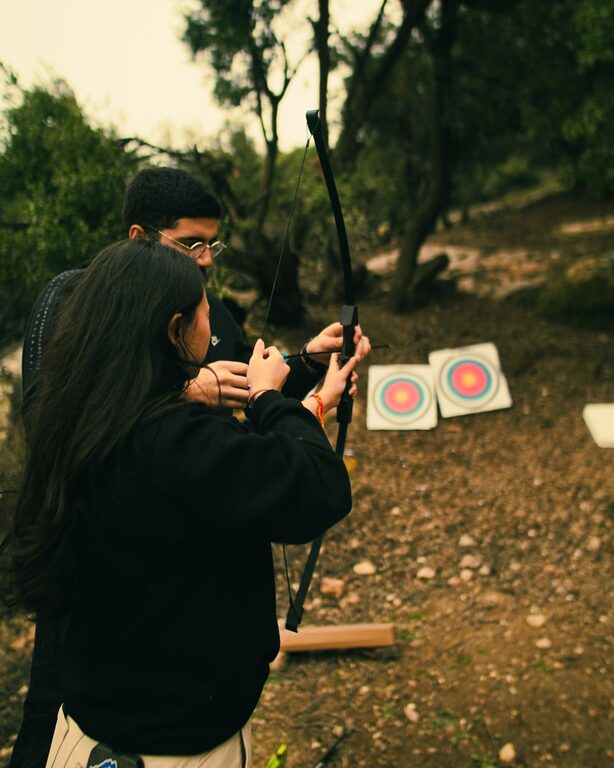
Spending time outdoors does not have to mean intense workouts, long hikes, or complicated equipment. Low-impact activities offer a comfortable way to enjoy fresh air, explore local surroundings, and stay active while being gentle on the body.
Whether you prefer a quiet morning in the park or a relaxed afternoon on the water, there are outdoor options for every season. The key is to choose activities that match the weather, your interests, and your comfort level.
Why Choose Low-Impact Outdoor Activities?
Low-impact activities involve smooth, controlled movements that place less stress on the joints than high-impact exercises such as running or jumping. They can be a good choice for people who enjoy a moderate pace, are returning to activity, or simply want a more relaxed way to spend time outside.
Outdoor activities may also make movement feel more enjoyable because they combine exercise with a change of scenery. You can walk through a leafy neighborhood, observe birds near a pond, or tend to plants in your yard.
Before heading out, consider the conditions and choose a pace that feels comfortable. Wear suitable footwear, bring water, and take breaks when needed.
Spring Activities
Spring brings longer days, mild temperatures, and fresh growth. It is an ideal season for easing into outdoor routines after winter.
Nature Walks
A nature walk can be as simple as visiting a local park, garden, or wooded trail. Choose a mostly level route and take time to notice seasonal details such as blooming flowers, birds, and new leaves.
To make a walk more engaging, try one of these ideas:
– Follow a new path in a familiar park
– Take photos of spring colors
– Look for different types of trees
– Listen for birds and other natural sounds
– Walk with a friend or family member
A short walk can be rewarding, especially when done regularly. You do not need to cover a certain distance to enjoy the experience.
Gardening
Gardening combines gentle movement with a creative project. Planting herbs, arranging containers, pulling weeds, and watering flowers all provide reasons to spend time outside.
If you have limited space, try container gardening on a balcony, patio, or windowsill. Choose tools with comfortable handles, work at a manageable pace, and alternate tasks to avoid staying in one position for too long.
Outdoor Stretching
A quiet lawn, patio, or park can provide a pleasant setting for gentle stretching. Focus on slow movements and relaxed breathing. You might create a short routine that includes shoulder rolls, arm stretches, gentle side bends, and comfortable leg movements.
A blanket or outdoor mat can make the space more comfortable. Avoid stretching on uneven ground, and stop if a movement causes pain.
Summer Activities
Summer offers plenty of opportunities to be outside, but warmer temperatures call for thoughtful planning. Schedule activities during the cooler parts of the day, such as early morning or evening, and bring water along.
Leisurely Cycling
Cycling on a paved path or quiet neighborhood route can be a low-impact way to explore. A comfortable bicycle, properly adjusted seat, and helmet can make the experience more enjoyable.
Choose a route that matches your confidence and energy level. Some parks offer flat, scenic trails that are suitable for relaxed rides. If you prefer a slower pace, consider stopping at a garden, picnic area, or viewpoint along the way.
Canoeing or Kayaking
Calm-water canoeing and kayaking can provide gentle movement while offering a different view of the outdoors. Look for supervised areas, calm conditions, and rental locations that provide safety equipment.
Beginners may want to start with a short outing close to shore. Check local rules, wear a properly fitted life jacket, and avoid going out in poor weather. A quiet lake or protected waterway can be a peaceful place to enjoy a summer afternoon.
Outdoor Photography
Photography turns a walk into a creative activity. You can use a phone or camera to capture flowers, architecture, wildlife, clouds, or interesting patterns in nature.
Try choosing a theme for each outing, such as “shades of green” or “small details.” This encourages you to slow down and notice your surroundings without needing to travel far.
Fall Activities
Cooler air and colorful leaves make fall a comfortable season for outdoor recreation. Many activities can be adjusted to suit shorter days and changing weather.
Scenic Walking
Fall walks are a simple way to enjoy changing landscapes. Visit a park, tree-lined street, or local trail to see seasonal colors. If leaves cover the ground, pay attention to uneven surfaces and choose shoes with good traction.
You can make a scenic walk more social by inviting someone to join you. A relaxed conversation often makes the time pass quickly, and regular walking can become a seasonal tradition.
Apple or Pumpkin Picking
Visiting a farm or orchard can involve walking, light carrying, and plenty of fresh air. Look for locations with accessible paths, seating areas, and activities that match your preferred level of effort.
Bring layers so you can adjust to changing temperatures. Plan breaks between activities, especially if you are spending several hours outdoors.
Birdwatching
Fall migration can make birdwatching especially interesting. You do not need specialized equipment to begin. Find a quiet place, bring a small notebook or phone, and observe birds from a comfortable distance.
A pair of binoculars can help, but simply listening and watching is also enjoyable. Local nature centers may offer beginner-friendly guides or marked viewing areas.
Winter Activities
Winter does not have to mean staying indoors all season. With the right clothing and safe conditions, you can enjoy gentle outdoor activities even on colder days.
Snowshoeing
Snowshoeing allows you to explore snowy parks and trails at a walking pace. Many outdoor centers rent equipment and offer beginner routes.
Start with a short outing on a well-marked trail. Dress in layers, protect your hands and face, and bring water. Avoid unfamiliar areas during storms or when visibility is poor.
Winter Walking
A winter walk can be refreshing when sidewalks and paths are clear. Look for routes that are maintained and well lit. Wear warm layers and shoes with reliable traction.
On icy days, consider a shorter route close to home or choose an indoor alternative. Safety and comfort are more important than completing a planned distance.
Outdoor Bird Feeding and Observation
Setting up a bird feeder or simply observing winter birds can bring nature closer to home. Place feeders where they can be viewed safely from a window or sheltered outdoor area, and follow local guidance for keeping them clean.
Even a few minutes of observation can provide a peaceful break during a busy day.
Tips for Enjoying Outdoor Activities Year Round
A few simple habits can make outdoor time more comfortable in any season:
– Check the weather before leaving
– Dress in layers that can be added or removed
– Choose supportive, season-appropriate footwear
– Carry water, even in cool weather
– Bring sun protection on bright days
– Tell someone where you are going for longer outings
– Select well-maintained routes when conditions change
– Start with short sessions and build gradually
– Take regular breaks and listen to your body
Make Outdoor Time Part of Your Routine
Low-impact outdoor activities are flexible enough to fit many schedules. A ten-minute walk, a few minutes of gardening, or a relaxed visit to a nearby park can be a meaningful way to spend time outside.
Rather than waiting for the perfect day, choose an activity that works with the current season. Keep it simple, invite someone along, and focus on enjoying the surroundings. With a little planning, every season can offer a fresh reason to step outdoors.